General information, not legal advice. Rules change; check current requirements with the authorities or a qualified lawyer.
Students make up most of the Indian community in Lithuania. According to the Embassy of India in Vilnius, there are around 7,300 Indians in the country, mainly students in ICT, engineering and life sciences. This guide follows the path from choosing a course to staying on for work, using the official Study in Lithuania and EU sources.
Choosing a course and applying
Study in Lithuania, the official study portal, lists programmes taught in English across Lithuanian universities and colleges. Each university sets its own admission requirements and fees, so the programme page is where you find the exact entry criteria, including English language requirements.
The application process, as Study in Lithuania describes it:
- Explore programmes and funding options on studyin.lt.
- Check the admission requirements on the programme’s page and apply online.
- Wait for a decision. Accepted students receive a Letter of Acceptance with instructions.
- Apply for your visa and residence permit straight away.
Timing matters. Study in Lithuania says most universities close applications for the autumn semester in June, and that recognition of your documents and subject equivalence checks can take a month or longer. Apply as early as you can.
What it costs
Study in Lithuania states that tuition fees vary by institution, programme and level. At the time of writing (October 2026), it gives these starting points:
- from 1,300 EUR per year for Bachelor studies
- from 2,300 EUR per year for Master studies
- from 8,400 EUR per year for PhD studies
These are minimums, not averages. Popular programmes can cost considerably more, so check the fee for your specific course. Study in Lithuania also lists scholarships, some of which cover living costs. If a scholarship or fee reduction is part of your plan, get the terms in writing from the university itself before you pay any deposit.
Your budget should also include accommodation, food, transport, health insurance, visa and permit fees, and money to show the authorities that you can support yourself.
The visa and the residence permit
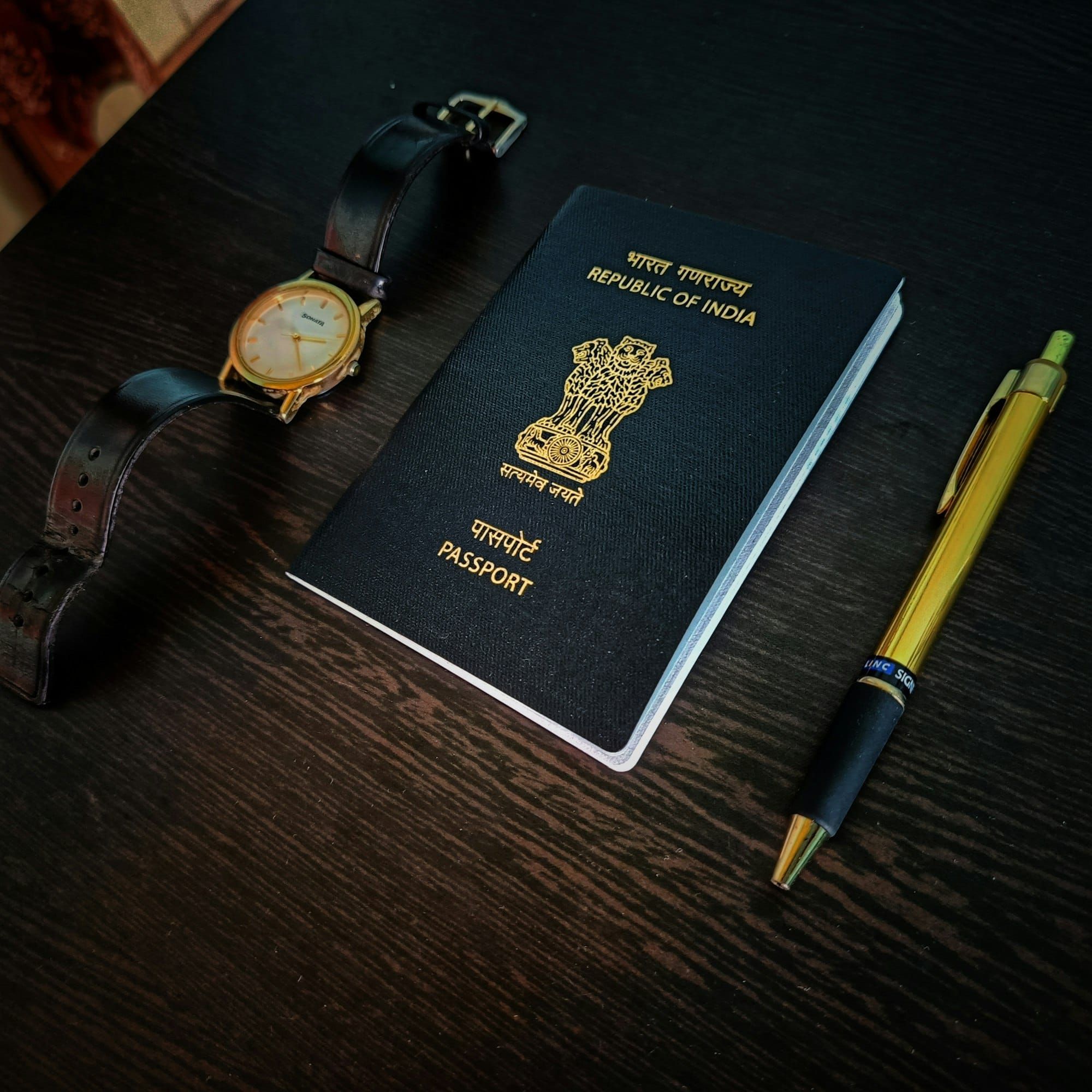
Study in Lithuania is direct about this: non-EU students need both a national visa (D) and a temporary residence permit, and should apply for both before coming to Lithuania. You apply through a visa centre or a Lithuanian embassy. If Lithuania has no representation in your country, you may need to travel to a country where it does.
According to the EU Immigration Portal:
- you must be enrolled at a higher education institution recognised in Lithuania
- you need to show sufficient funds, for example a bank statement or regular income
- you need health insurance, with a higher minimum insurance sum for the visa than for the residence permit
- a student residence permit is granted for up to 2 years, or the length of your studies if shorter, and can be renewed
Always check the current document list and fees on Migris (migracija.lt) before you apply.

Working while you study
Part-time work helps with costs and gives you local experience. The rules depend on your level and year:
- The EU Immigration Portal says students may work up to 20 hours a week, except during the summer holiday period set by the university, and that the limit does not apply to doctoral students.
- Study in Lithuania describes the limit as 20 hours a week for non-EU Bachelor’s students in years one and two, and up to 40 hours a week for Bachelor’s students in years three and four and for Master’s and PhD students.
Because the two summaries differ, confirm the rule that applies to you with your university’s international office or Migris before you take on more hours. Breaking work conditions can put your permit at risk.
After graduation: staying to find a job
This is where planning pays off. Study in Lithuania explains two steps:
- Extend your current permit. In your final year, you can apply to renew your temporary residence permit for 3 more months from the day your studies end.
- Apply for a job-search permit. After graduating, you can apply for a 12-month temporary residence permit to look for work or become self-employed.
Together, Study in Lithuania describes this as up to 15 months to find a job. Once you have an offer, you move to a work-based permit.
From student to professional
For many graduates, the next step is the EU Blue Card or a standard work permit. The EU Immigration Portal lists the Blue Card conditions in Lithuania: a formal employment contract of at least 6 months, a salary of at least 1.5 times the average monthly gross wage (or 1.2 times for listed shortage occupations), and a higher education diploma, among other routes to qualify. A Lithuanian degree meets the education condition for many roles.
Practical tips while you study:
- Build Lithuanian language skills. Even basic Lithuanian widens your options.
- Take internships and part-time roles in your field, within the work limits.
- Use your university’s careers service and alumni network.
- Keep your permit valid and your address registration up to date.
Mavericks opens doors. It doesn’t guarantee jobs or visas. Employers and the authorities decide.
How Mavericks Settle helps
Mavericks Settle supports students and graduates moving from India: understanding the routes, preparing paperwork, settling in, and the move from a study permit to work. Legal steps are handled by our regulated partner law firms. Through Mavericks Connect, we can also introduce graduates to the right people in their field.