General information, not legal advice. Rules change; check current requirements with the authorities or a qualified lawyer.
Lithuania, Latvia and Estonia offer English-taught degrees inside the EU, often at lower cost than larger Western European countries. For African students, the Baltics can be a route to an EU degree and a first job in Europe. This guide compares the three countries on costs, student permits and work rights, using official sources.
Why the Baltics
All three countries are EU and Schengen members and use the euro. Their universities teach many programmes in English, especially in technology, engineering, business and life sciences. Each country also gives graduates time after their studies to look for work, which matters if you hope to build a career in Europe.
The details differ, and the rules change. Treat this guide as a starting point and check the current requirements with the university and the national migration authority.
Applying and planning ahead
Each university sets its own admission requirements, including English language requirements and the documents it needs. In Lithuania, Study in Lithuania says:
- most universities close applications for the autumn semester in June
- recognition of foreign qualifications and subject equivalence checks can take a month or more
- accepted students receive a Letter of Acceptance, and should apply for a visa straight away
The visa and permit stage takes time, especially if you need to travel to another country to apply. Study in Lithuania notes that if Lithuania has no representation in your country, you must travel to a country where it does. Factor in travel costs and time.
What it costs
Tuition varies by country, university, programme and level. For Lithuania, Study in Lithuania gives these starting points at the time of writing (October 2026):
- from 1,300 EUR per year for Bachelor studies
- from 2,300 EUR per year for Master studies
- from 8,400 EUR per year for PhD studies
These are the lowest fees, not typical ones. Check the exact fee on your programme’s page. Latvia and Estonia publish fees through each university.
Beyond tuition, budget for:
- accommodation, food and transport
- health insurance that meets the permit requirements
- visa and residence permit fees
- travel to an embassy or visa centre, if there is none in your country
- the funds you must show the authorities to prove you can support yourself

Student permits in each country
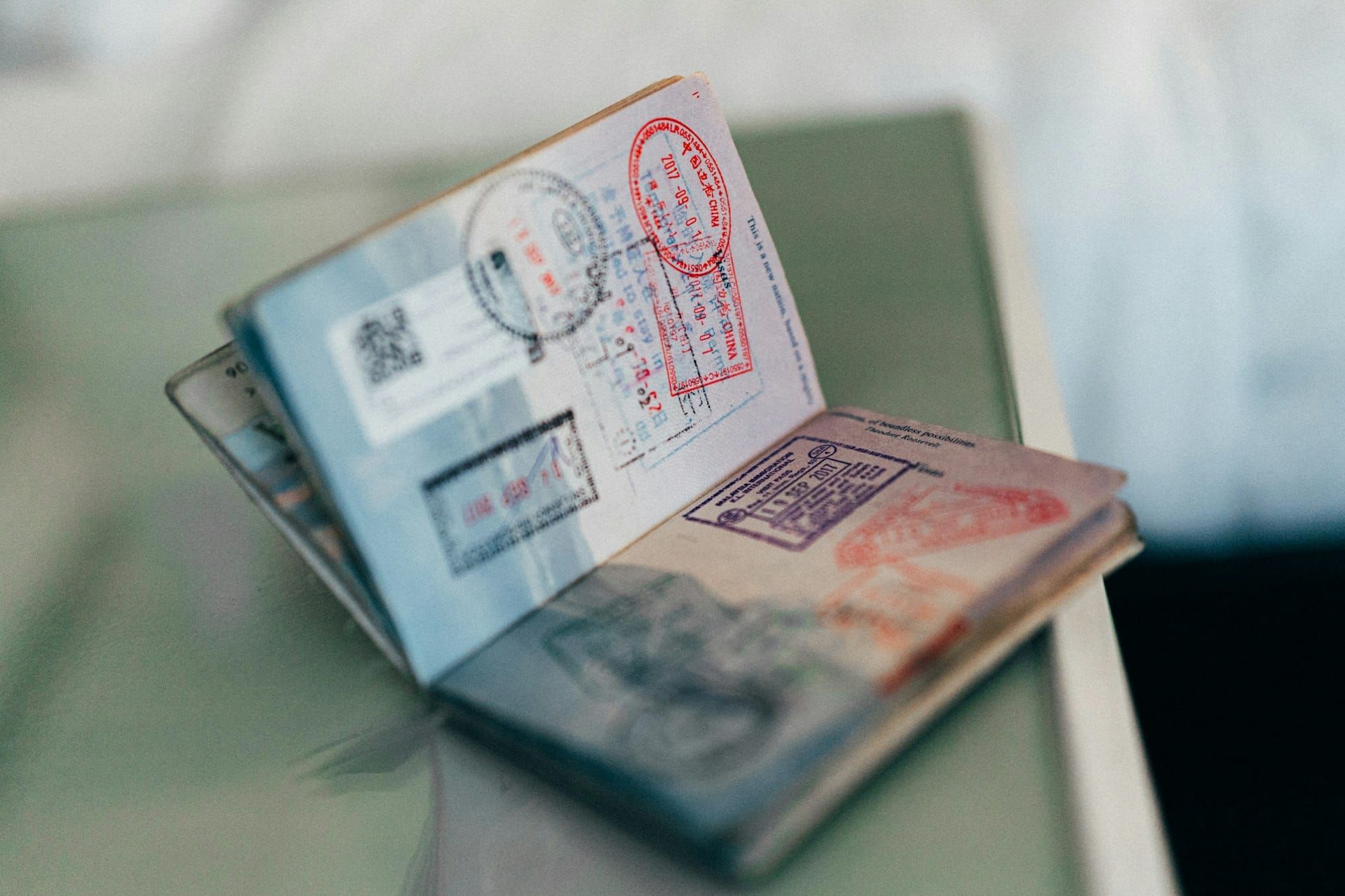
Lithuania. Study in Lithuania states that non-EU students need both a national visa (D) and a temporary residence permit, and should apply for both before arriving. The EU Immigration Portal says you must be enrolled at a recognised higher education institution and show sufficient funds and health insurance. The student residence permit lasts up to 2 years, or the length of your studies if shorter, and can be renewed.
Latvia. According to the EU Immigration Portal, your university sends an official invitation to the Office of Citizenship and Migration Affairs (OCMA), and you give the invitation number to the Latvian embassy when you apply. You must show enough money to support yourself and hold health insurance of at least 42,600 euros covering medical costs, including repatriation.
Estonia. The EU Immigration Portal says you apply for a residence permit for study at an Estonian embassy or consulate, or at the Police and Border Guard Board if you are already legally in Estonia. You need proof of sufficient legal income and health insurance covering illness and injury for the whole permit period.
Working while you study
Work rights differ more than most students expect:
- Lithuania. The EU Immigration Portal says students may work up to 20 hours a week, except in the university’s summer holiday period, with no such limit for doctoral students. Study in Lithuania describes 20 hours a week for Bachelor’s students in years one and two, and up to 40 hours for later Bachelor’s years, Master’s and PhD students. Confirm which rule applies to you.
- Latvia. Up to 20 hours a week during term and up to 40 hours during study holidays. Graduate and postgraduate students may work up to 40 hours a week.
- Estonia. Students at Estonian higher education institutions may work without a work permit and without a limit on hours, as long as work does not interfere with their studies.
Part-time income helps, but plan your budget so you do not depend on it. Part-time work is not always easy to find, and your permit is granted for study, so your studies have to come first.
After graduation
Each country gives graduates time to find work:
- Lithuania. Study in Lithuania explains that you can extend your permit for 3 months after your studies end, then apply for a 12-month temporary residence permit to look for work or become self-employed.
- Latvia. The EU Immigration Portal says graduates can apply for a temporary residence permit of up to 9 months to look for work or start a business, without leaving Latvia.
- Estonia. Former study permit holders may stay for 270 days after the permit expires, if it ran to its expiry date. Half of the time spent on a study permit counts towards long-term residence if you later hold a permit on another basis.
Once you have a job offer, you move to a work permit or an EU Blue Card under that country’s rules. Mavericks opens doors. It doesn’t guarantee jobs or visas.
How Mavericks Settle helps
Mavericks Settle supports students and graduates moving to Europe: understanding the routes, paperwork and applications, bank accounts and settling in, with legal steps handled by our regulated partner law firms. When you are ready to work, Mavericks Connect can help with the right introductions.